You’ve battled through fire and frost, you’ve conquered dragons and demons, you’ve seen empires rise and fall—all within the digital realm of World of Warcraft’s raids. As you reflect on your own experiences, it’s clear that the history of raiding in this virtual world is as rich and complex as the lore that frames it. This ever-evolving saga began with the coordination of 40 virtual warriors in Molten Core, and it has since transformed into a sophisticated dance of strategy, skill, and social interaction. But have you ever wondered how these monumental battles came to be, what changes they’ve undergone, and where they’re heading next? Unveiling the layers of this history reveals not just the evolution of a game, but the story of a community that has grown, adapted, and thrived through countless challenges. Ready your wits and sharpen your insights; an exploration of World of Warcraft’s raiding history awaits, and what you’ll uncover is a legacy as persistent and dynamic as the players who’ve lived it.
The Early Days: Molten Core
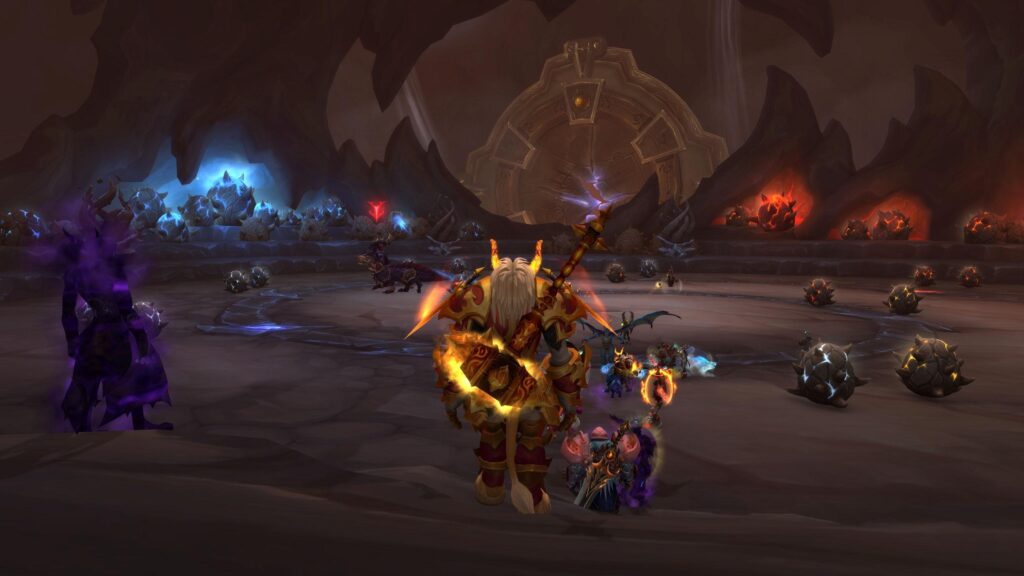
Stepping into the fiery depths of Molten Core, players first faced the daunting world of raiding in World of Warcraft back in the early days. This iconic raid set the stage for a legacy that would grow to include the likes of Blackwing Lair, the Black Temple, the Eternal Palace, and the frozen halls of Icecrown Citadel.
You’d gather your 40-man raid, a massive undertaking, coordinating through whispers and shouts, long before the convenience of a raid addon. The sheer scale was unprecedented, a far cry from the more streamlined encounters you’d come to know in later expansions. Each boss required precise teamwork and strategy, birthing the need for dedicated raiding guilds.
As you progressed, the raids evolved. Blackwing Lair tested your mettle with its cunning dragonkin, while the Black Temple beckoned with Illidan’s infamous challenge. The Eternal Palace wove a tale deep under the sea, and Icecrown Citadel had you ascend to face the Lich King himself. Each raid was a leap from the last, building upon the foundations laid by Molten Core.
But you never forget your first foray into those molten halls, where the raiding journey began, where the stories of victory and defeat forged bonds that would last through expansions to come.
Evolution of Strategy: Karazhan
How did Karazhan revolutionize raid strategy, transforming the coordination and tactical approach established in earlier raids like Molten Core? When you first set foot in Karazhan, you’d notice it was a stark departure from the vast, molten chambers of Ragnaros’s domain. This 10-man raid, unlike the 40-man raids of the past, necessitated a new level of precision and personal accountability.
- The Chess Event, more a game of wits than a battle of brawn, required tactical positioning reminiscent of the actual game of chess.
- Encounters like Shade of Aran brought in complex mechanics that demanded players to memorize and react to specific spell casts.
- The Opera Event offered a variety of potential raid bosses, each with unique fight mechanics, ensuring no two raids felt exactly the same.
- The introduction of the Maiden of Virtue taught raiding guilds the intricacies of managing debuffs and spatial awareness.
- Nightbane, a fight that could broadcast raid warnings as you danced between grounding phases and aerial onslaughts.
Karazhan wasn’t just another raid; it was a rite of passage for any raiding guild. As you and your team delved deeper into its haunted halls, the strategies you’d learned in actual raid instances prior were put to the test, forever changing the landscape of how you approached raid encounters thereafter.
Rise of the Lich King: Icecrown Citadel
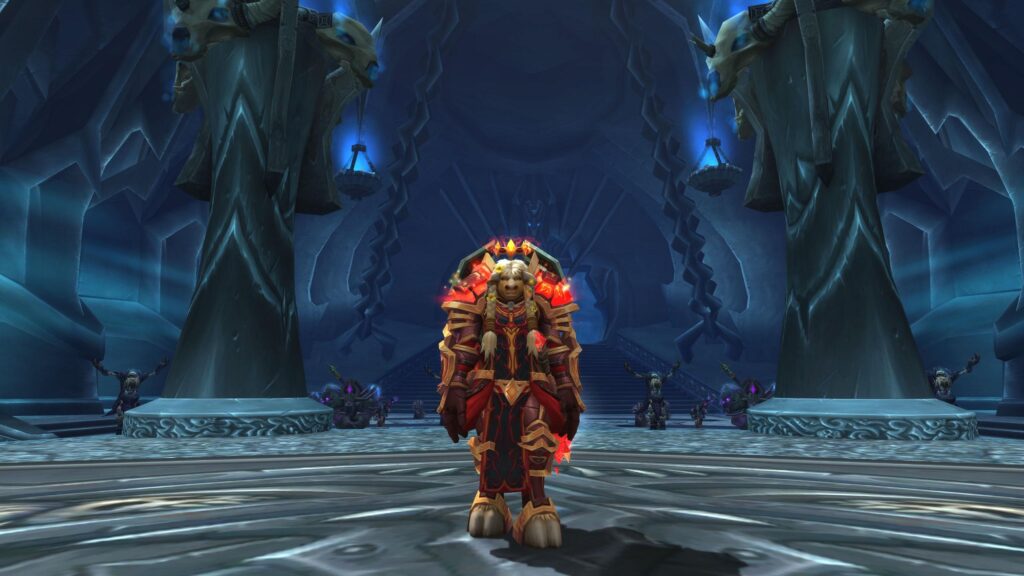
Building on the lessons learned in Karazhan, Icecrown Citadel challenged raiders with the climactic confrontation against the Lich King, demanding even greater coordination and mastery of mechanics. As you stepped into the frozen halls of this imposing fortress, you weren’t just facing another set of bosses; you were up against the embodiment of the Scourge itself. The raid’s atmosphere was thick with the anticipation of an epic battle that had been building since the game’s launch.
You had to navigate through the complexities of the Gunship Battle, outmaneuver the deadly Valkyr in the Lich King encounter, and survive the bone-chilling cold of the Frostwing Halls. Each wing of the citadel tested your raid’s adaptability and resolve. You learned that it wasn’t just about individual skill; it was about how well you could work as a cohesive unit.
Defeating the Lich King wasn’t just a matter of gear or personal prowess; it required a deep understanding of fight mechanics and flawless execution. Your victory would mark the end of an era in Azeroth and etch your name in the annals of raiding history. The Lich King encounter, with its multiple phases and intricate mechanics, was a fitting end to this monumental chapter in World of Warcraft.
The Pandaria Campaign: Siege of Orgrimmar
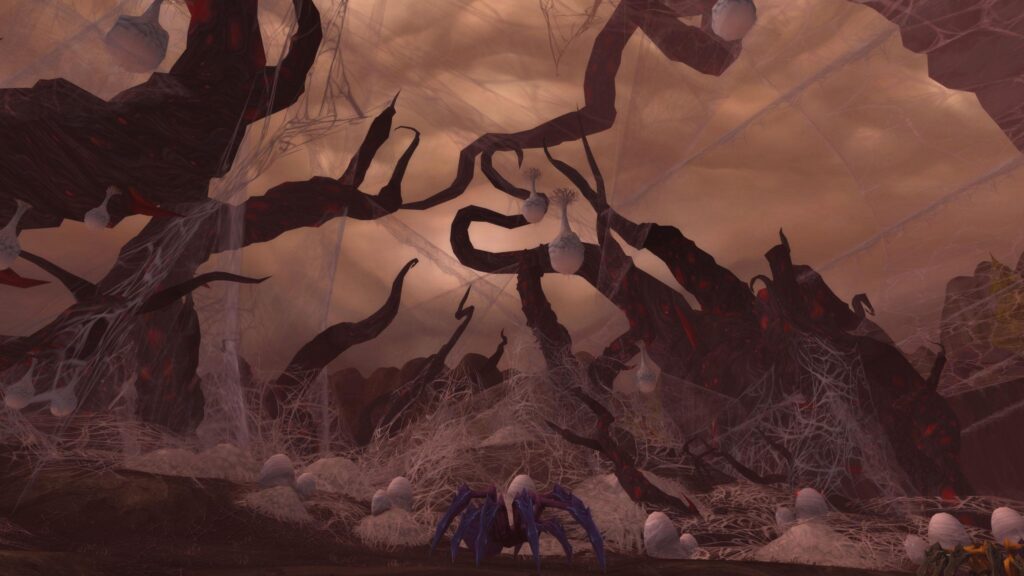
As you journeyed through the mystic lands of Pandaria, the Siege of Orgrimmar raid awaited, marking a dramatic end to the Pandaren campaign with a battle that would reshape the political landscape of Azeroth. This final clash was not just a test of skill, but a pivotal moment in the World of Warcraft narrative, signifying the fall of a tyrant and the rise of newfound alliances.
Imagine the Siege of Orgrimmar with these vivid details:
- The towering gates of Orgrimmar, bristling with the Kor’kron guard, ready to repel any invaders.
- The heart of the city, where the once honorable Warchief Garrosh Hellscream, corrupted by the power of the Old Gods, awaited.
- The chaotic battlegrounds, echoing with the clash of steel and the roars of combatants, as factions united against a common foe.
- The dark, foreboding depths of Garrosh’s inner sanctum, where the final confrontation would decide the fate of a world.
- The collective sigh of relief and cries of victory, as Garrosh lay defeated, his reign of terror brought to an end.
You’d been part of something monumental, and the world of Azeroth would never be the same. The Siege of Orgrimmar was a testament to the ever-evolving world of WoW raiding, a memory etched in the annals of gaming history.
Modern Raiding: Castle Nathria
While the fall of Garrosh Hellscream marked a turning point in Azeroth’s history, the introduction of Castle Nathria in the Shadowlands expansion presents a new era of challenges and strategies for raiders. You’re now stepping into the gothic halls of Revendreth’s dark fortress, where Sire Denathrius, the master of the Venthyr covenant, awaits at the pinnacle of ten boss encounters.
Raiding in Castle Nathria, you’ve got to navigate through a mix of mechanics that test your adaptability and teamwork. From Shriekwing’s echolocation to the Huntsman Altimor’s loyal pets, each fight ramps up the complexity. You’re not just facing bosses; you’re contending with the environment itself, managing space during Artificer Xy’mox’s portals or dodging debris in the Stone Legion Generals encounter.
Your success hinges on mastering the Dance Macabre in the Council of Blood fight, where positioning is as crucial as your DPS charts. As for Sire Denathrius himself, you’re dealing with a three-phase fight that’s a true test of endurance and skill, culminating in a battle that’s as narratively satisfying as it is mechanically demanding.
Castle Nathria’s blend of lore and challenging gameplay captures the essence of modern WoW raiding. It’s here where you’ll refine your abilities, gear up with the latest loot, and forge memories with your guildmates that’ll last well beyond your journey in the Shadowlands.
Frequently Asked Questions
How Have the Roles and Responsibilities of Raid Leaders Evolved From the Early Days of World of Warcraft to the Present?
You’ve seen raid leaders adapt from simple party herders to master strategists, now juggling complex mechanics, coordinating diverse teams, and utilizing detailed analytics to conquer today’s far more intricate and demanding encounters.
What Impact Did the Introduction of the Raid Finder Tool Have on the Social Dynamics and Difficulty of Raids?
You’ve noticed raids feel different now; the Raid Finder tool has eased grouping, but it’s diluted the camaraderie. You’re tackling bosses with strangers, and the challenge has softened, altering the raid’s social fabric.
How Did the Shift From 40-Man to Smaller Group Sizes in Raids Affect Guild Organization and Player Commitment?
You’ve seen guild dynamics evolve as raids shrank. Smaller groups meant tighter coordination but less management hassle. Your commitment changed too—easier to fit in, but each player’s performance became more critical.
In What Ways Have the Game’s Expansions Altered the Gear Progression System for Raiders Over Time?
You’ve seen gear progression evolve with each expansion, introducing new tiers, stats, and catch-up mechanics that have reshaped your raiding experience, pushing you to adapt your strategies and commitment to stay competitive.
How Has the In-Game Economy Been Influenced by the Introduction of New Raids and the Materials or Items They Provide?
New raids drop like coins in a fountain, each splash rippling through the economy. You’ve seen auction house prices surge as raiders scramble for gear-enhancing materials, inflating your wallet with every boss defeat.
Conclusion
As you stand on the precipice of history, armor-clad and battle-worn, you’ve journeyed through Azeroth’s heart. You’ve danced with dragons, sung with sorcery, and witnessed the tapestry of teamwork weave its indelible mark on the soul of Warcraft. Each raid a verse in the epic saga, each victory a chorus in the anthem of legends. Remember, brave adventurer, the legacy of raiding is not just written in the annals—it’s etched in your spirit, forevermore.
Level Up Your Gameplay! Check out my World of Warcraft blog for in-depth guides, pro tips, and the latest updates. Your next epic quest awaits!