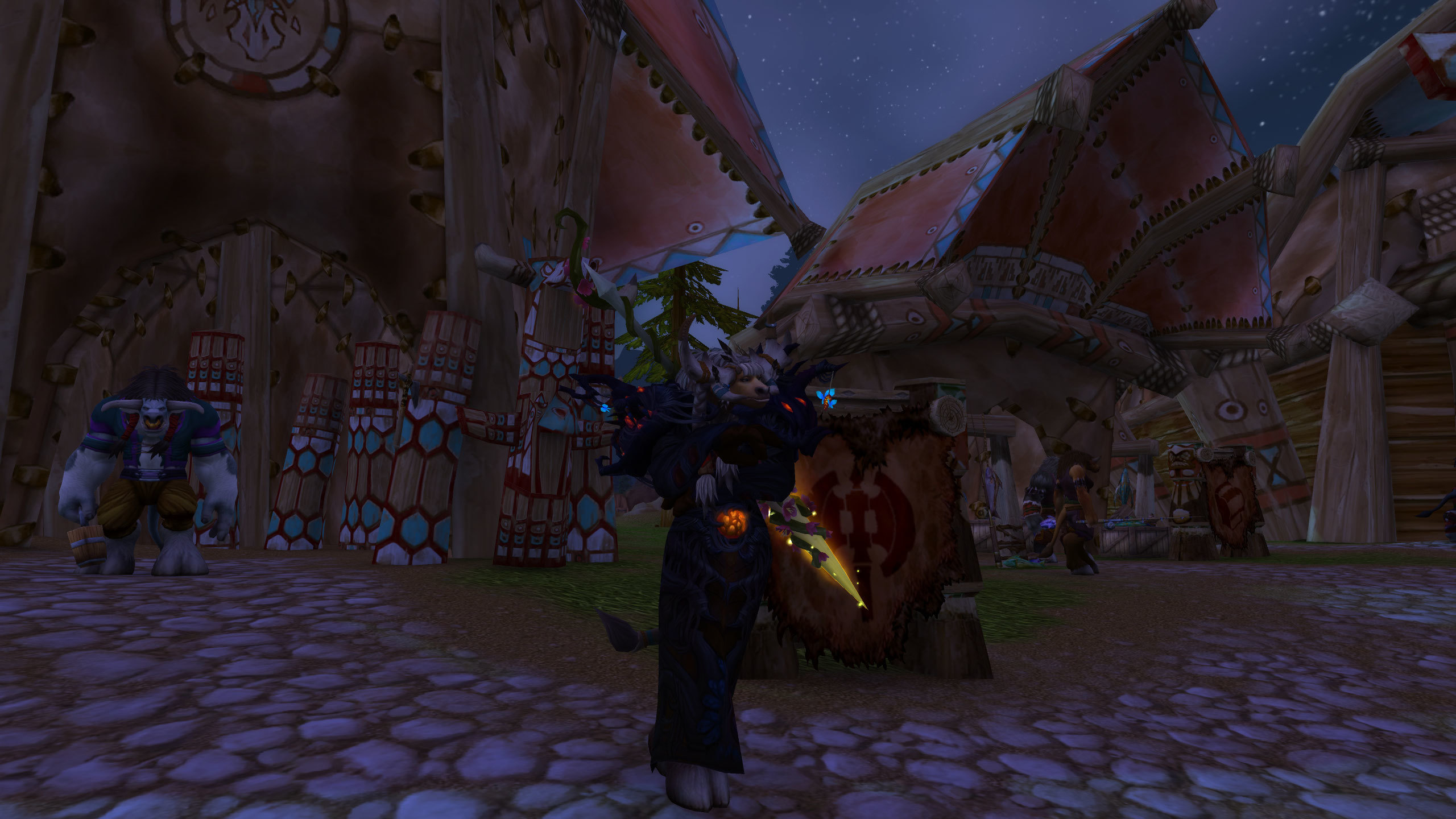
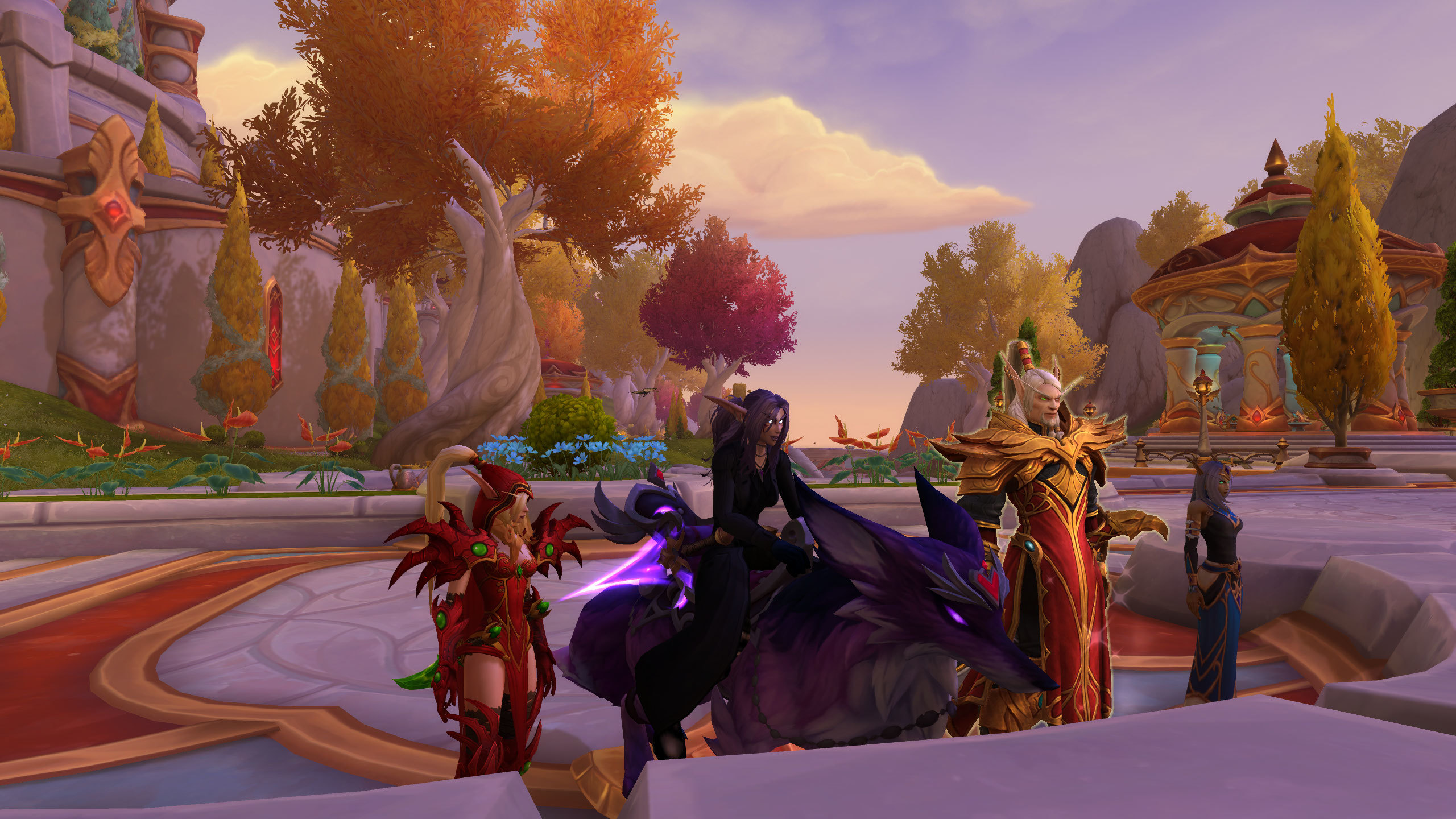
World of Warcraft has been at the heart of the MMO world since its launch, and over time, it has evolved beyond a simple online adventure into a competitive gaming platform. While the game’s early years focused on cooperative experiences—raiding, questing, and community building—its competitive elements steadily grew, culminating in a rich esports ecosystem. Today, WoW’s esports scene includes high-stakes tournaments, dedicated fanbases, and professional players who have mastered the game’s unique blend of strategy, coordination, and skill.
This article explores how WoW became part of the esports landscape, the challenges and triumphs it has faced, and what its future might hold in the world of competitive gaming.
The Evolution of WoW’s Competitive Scene
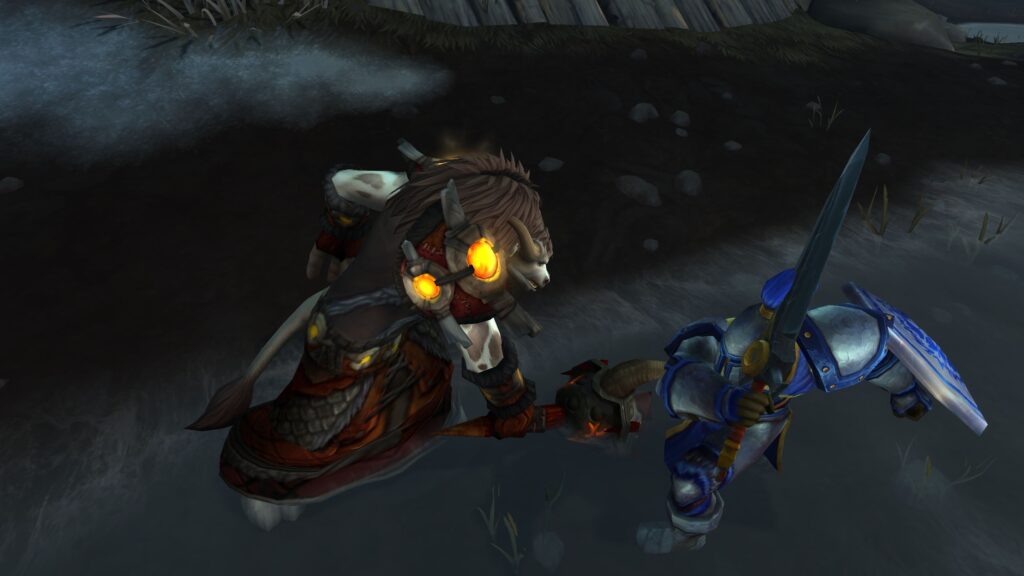
WoW’s competitive roots can be traced back to the introduction of structured PvP content. Early battlegrounds, such as Warsong Gulch and Alterac Valley, laid the foundation for competitive play, offering players objective-based challenges that required teamwork and strategy. With the addition of the Arena system in The Burning Crusade, WoW took its first major step toward becoming a true esport. Arenas provided a controlled environment where small teams could face off in fast-paced, skill-driven matches.
Over time, Blizzard began supporting these competitive activities with tournaments and in-game rewards. The Arena Tournament realms allowed players to compete on equal footing, with standardized gear and talent setups, emphasizing skill over gear disparity. This focus on fairness and balance helped elevate WoW’s PvP scene, drawing in skilled players who could showcase their mastery in front of growing audiences.
Major Events and Tournaments
WoW’s esports landscape truly came into its own with the introduction of annual tournaments such as the Arena World Championship (AWC). The AWC brought the best PvP teams from around the globe to compete for substantial cash prizes and the coveted title of world champion. These events not only highlighted individual player skill but also showcased the deep strategic thinking required to succeed in WoW’s unique competitive environment.
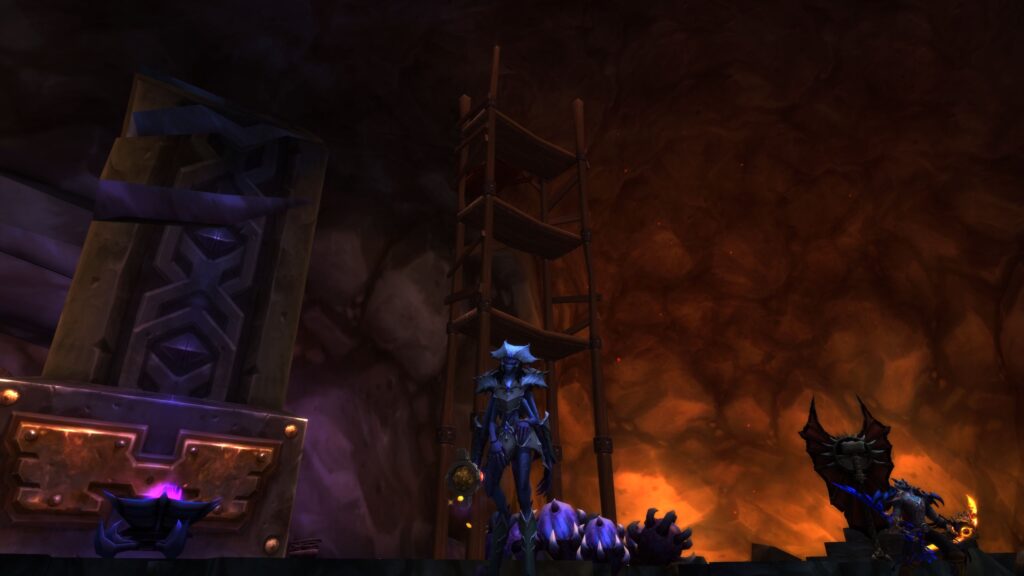
In addition to the AWC, Blizzard introduced the Mythic Dungeon International (MDI), which shifted the focus from PvP to PvE. The MDI pits teams of players against each other in time-trial challenges through high-level Mythic+ dungeons. Success in the MDI requires exceptional coordination, flawless execution of dungeon mechanics, and innovative routing strategies. This format brought a new dimension to WoW esports, appealing to players and viewers who might not be as invested in the traditional PvP scene.
Community Involvement and Viewership
One of the strengths of WoW’s esports scene is the involvement of its community. Dedicated fans have helped keep the competitive spirit alive by organizing grassroots tournaments, streaming their gameplay, and sharing in-depth analysis of matches. Content creators and influencers play a key role in promoting events, discussing strategies, and fostering excitement around WoW’s competitive gaming culture.
As streaming platforms like Twitch and YouTube Gaming have grown, so too has the visibility of WoW esports. Live broadcasts of the AWC and MDI attract thousands of viewers who tune in to cheer for their favorite teams, learn from top players, and experience the thrill of high-level competition. This growing audience has helped solidify WoW’s place in the larger esports ecosystem.
Challenges and Opportunities
Despite its successes, WoW’s esports scene faces several challenges. Balancing the game for both casual and competitive players can be difficult, as changes to classes, gear, or dungeon mechanics can have ripple effects on the competitive meta. Additionally, maintaining viewer engagement in a game known for its complexity can be tricky; WoW’s unique systems and mechanics may be daunting for new viewers to understand.
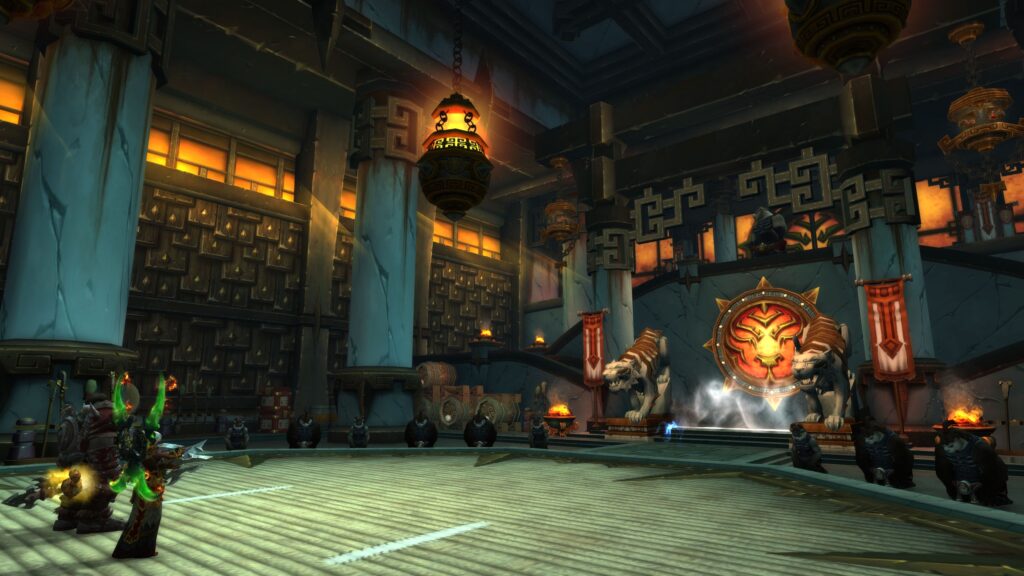
However, these challenges also present opportunities. Blizzard has made strides in improving spectator tools, providing clearer in-game visuals, and offering detailed commentary to help viewers follow the action. As the competitive scene continues to grow, there is room to expand into other formats—such as team-based battleground tournaments, solo shuffle events, or even PvE raid races—to keep the esports experience fresh and appealing to a broader audience.
The Future of WoW Esports
Looking ahead, WoW’s competitive gaming landscape shows no signs of slowing down. With continued investment in tournaments, refined balancing efforts, and ongoing support from the community, WoW can remain a staple in the esports world. Its unique blend of PvP and PvE competition sets it apart from other titles, giving it a distinct identity in the crowded esports market.
As WoW approaches its third decade, the rise of esports within the game demonstrates its enduring appeal. From the intense battles of the Arena World Championship to the precise teamwork of the Mythic Dungeon International, WoW has proven that an MMO can thrive in the competitive gaming scene. With passionate players, dedicated fans, and a constantly evolving meta, WoW esports is poised to continue making its mark on the global stage.
Home